Selecting the right crimping press for a specific industry can be a real head - scratcher. But don't worry, as a crimping press supplier, I'm here to walk you through the process.
First off, let's talk about the importance of getting the right crimping press. In different industries, the requirements for crimping are as diverse as the stars in the sky. A wrong choice can lead to all sorts of problems, like poor - quality crimps, low productivity, and even safety hazards. So, it's crucial to know what you're looking for.
Industry - Specific Requirements
Automotive Industry
The automotive industry is all about precision and reliability. When it comes to wiring harnesses, fuel lines, and brake lines, a high - quality crimp is non - negotiable. You need a crimping press that can handle different wire gauges and terminal types with consistent force. For instance, in wiring harness production, you might be dealing with small - gauge wires that require delicate handling. A press with adjustable crimp force and precise control can ensure that each connection is secure and meets the strict automotive standards.
Aerospace Industry
In the aerospace industry, safety is paramount. Components used in aircraft need to withstand extreme conditions, including high altitudes, temperature variations, and vibrations. A crimping press for this industry must be capable of producing crimps that are not only strong but also highly resistant to environmental factors. You'll likely need a press with advanced monitoring systems to ensure the quality of each crimp. These systems can detect any inconsistencies in the crimping process and alert operators immediately.


Manufacturing Industry
The manufacturing industry is a broad category that encompasses everything from electronics to heavy machinery. Depending on the specific product being manufactured, the crimping requirements can vary widely. For example, in electronics manufacturing, you might need to crimp small connectors onto circuit boards. A press with a small footprint and high - speed operation can boost productivity. On the other hand, in heavy machinery manufacturing, you may be dealing with large - diameter hoses and cables. A more powerful press with a larger crimping capacity will be necessary.
Types of Crimping Presses
Manual Hydraulic Hose Crimper
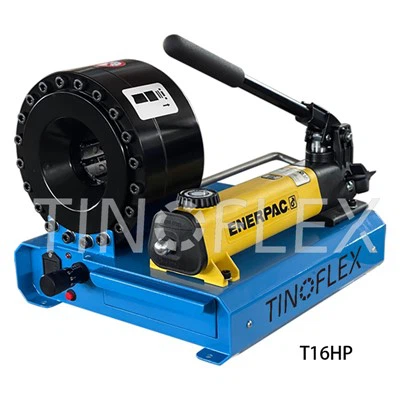
If you're working in an environment where power sources are limited or you need a portable solution, a Manual Hydraulic Hose Crimper could be a great choice. These crimpers are operated by hand, which means they're easy to use and don't require an external power supply. They're suitable for small - scale operations or on - site repairs. However, they may not be as fast as other types of crimpers, and the crimping force is limited by the operator's strength.
Pneumatic Hydraulic Hose Crimper
Pneumatic hydraulic hose crimpers combine the power of hydraulics with the convenience of pneumatic operation. They're powered by compressed air, which makes them relatively fast and efficient. These crimpers are ideal for medium - volume production environments. They can handle a wide range of hose sizes and are often used in industries like automotive and manufacturing. Check out the Pneumatic Hydraulic Hose Crimper for more details.
Hydraulic Hose Crimping Machine
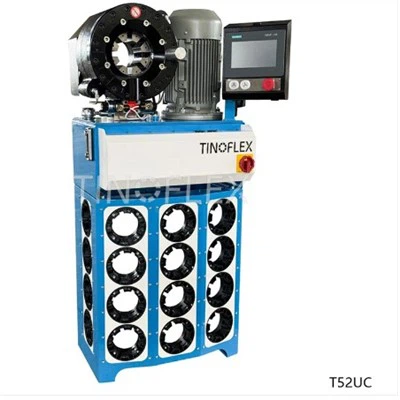
Hydraulic hose crimping machines are the workhorses of the crimping world. They offer high - force crimping capabilities and are suitable for heavy - duty applications. These machines can handle large - diameter hoses and cables with ease. They're commonly used in industries such as construction, mining, and heavy machinery manufacturing. If you need to crimp a large number of hoses or cables with a high level of precision, a Hydraulic Hose Crimping Machine is the way to go.
Key Factors to Consider
Crimp Force
The crimp force is one of the most important factors to consider when selecting a crimping press. It determines how tightly the connector is attached to the wire or hose. You need to choose a press with a crimp force that is appropriate for the materials you're working with. For example, if you're crimping thick - walled hoses, you'll need a press with a higher crimp force than if you're working with thin - walled wires.
Crimping Capacity
The crimping capacity refers to the maximum size of the wire or hose that the press can handle. Make sure to choose a press with a crimping capacity that meets your needs. If you expect to work with larger - diameter materials in the future, it's a good idea to choose a press with a slightly higher capacity than you currently require.
Precision and Repeatability
Precision and repeatability are crucial for ensuring consistent crimp quality. A press with high precision can produce crimps that meet the exact specifications every time. Look for a press with features like adjustable dies and advanced control systems to ensure precise crimping.
Ease of Use
You want a crimping press that is easy to operate and maintain. A press with a user - friendly interface and simple controls can reduce the learning curve for your operators. Additionally, easy - to - access components and clear maintenance instructions can make it easier to keep the press in good working condition.
Safety Features
Safety should always be a top priority. A good crimping press should have safety features such as guards, emergency stop buttons, and overload protection. These features can help prevent accidents and protect your operators.
Cost - Benefit Analysis
When selecting a crimping press, it's important to consider the cost - benefit ratio. While it might be tempting to go for the cheapest option, a low - cost press may not offer the features and performance you need in the long run. On the other hand, an expensive press with all the bells and whistles may not be necessary if your requirements are relatively simple.
You need to weigh the initial cost of the press against its long - term benefits, such as increased productivity, improved quality, and reduced maintenance costs. For example, a more expensive press with advanced monitoring systems may save you money in the long run by reducing the number of defective crimps and preventing costly downtime.
Conclusion
Selecting the right crimping press for a specific industry is a complex but important decision. By understanding your industry's requirements, the different types of crimping presses available, and the key factors to consider, you can make an informed choice. Whether you're in the automotive, aerospace, or manufacturing industry, there's a crimping press out there that's perfect for your needs.
If you're still not sure which crimping press is right for you or if you have any questions about our products, don't hesitate to reach out. We're here to help you find the best solution for your business. Contact us to start a conversation about your crimping press needs and let's work together to get you the perfect equipment.
References
- Industry standards and guidelines related to crimping in automotive, aerospace, and manufacturing sectors.
- Technical manuals and specifications of various crimping presses.
- Case studies and research papers on crimping technology and its applications.