

Hey there! As a supplier of Hose Cutting Machines, I often get asked about the vibration level of these machines during operation. It might seem like a small detail, but trust me, it plays a huge role in the overall performance, safety, and longevity of the machine. So, let's dive right in and explore what the vibration level of a hose cutting machine is all about.
Why Vibration Level Matters
First off, you might be wondering why the vibration level is such a big deal. Well, excessive vibration can lead to several issues. For starters, it can affect the precision of the cut. When a machine vibrates too much, it becomes difficult to make clean and accurate cuts, which is a huge problem, especially when you're working with high - end hoses that require a precise cut.
Secondly, high vibration levels can cause wear and tear on the machine components. The constant shaking can loosen bolts, damage bearings, and even cause the blades to wear out faster. This not only increases the maintenance cost but also shortens the lifespan of the machine.
From a safety perspective, excessive vibration can make the machine unstable. Operators might find it difficult to control the machine, increasing the risk of accidents. So, it's clear that keeping the vibration level in check is crucial for both the user and the machine itself.
Factors Affecting Vibration Level
There are several factors that can influence the vibration level of a hose cutting machine. One of the main factors is the type of blade used. Different blades have different cutting characteristics, which can lead to varying levels of vibration. For example, Toothed Blades are known for their aggressive cutting action. While they can cut through tough hoses quickly, they might also generate more vibration compared to other types of blades.
The design of the machine also plays a significant role. A well - designed hose cutting machine will have features that minimize vibration. For instance, some machines are equipped with anti - vibration mounts. These mounts absorb the vibrations generated during operation, reducing the amount of vibration transferred to the workbench and the operator.
The material of the hose being cut is another factor. Harder hoses require more force to cut, which can result in higher vibration levels. On the other hand, softer hoses are easier to cut and generally produce less vibration.
Measuring Vibration Level
So, how do we measure the vibration level of a hose cutting machine? Well, there are specialized tools available for this purpose, such as vibration meters. These meters can measure the amplitude, frequency, and acceleration of the vibrations.
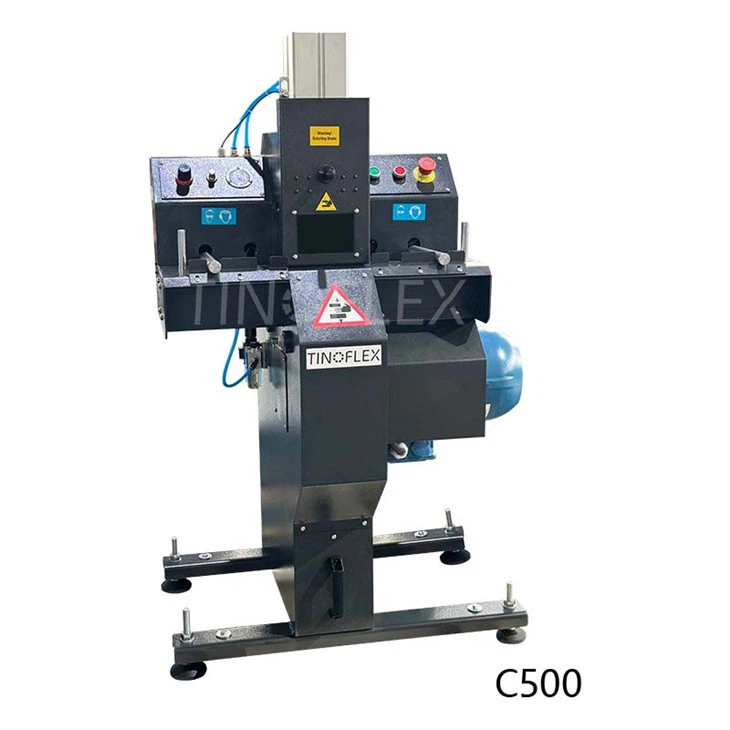

The amplitude refers to the maximum displacement of the vibrating object from its equilibrium position. In the case of a hose cutting machine, a higher amplitude means more shaking. The frequency, on the other hand, is the number of vibrations per second. High - frequency vibrations can be just as problematic as high - amplitude vibrations, as they can cause fatigue in the machine components.
Acceleration is a measure of how quickly the velocity of the vibrating object changes. A high - acceleration vibration can be particularly dangerous, as it can cause sudden and intense forces on the machine.
Ideal Vibration Level
What is the ideal vibration level for a hose cutting machine? Well, there isn't a one - size - fits - all answer to this question. It depends on the type of machine, the application, and the specific requirements of the user. However, in general, a lower vibration level is better.
Most manufacturers strive to keep the vibration level within acceptable limits. For industrial - grade hose cutting machines, the vibration level should be low enough to ensure accurate cuts, minimize wear and tear, and provide a safe working environment for the operators.
Our Hose Cutting Machines and Vibration
At our company, we take the vibration level of our hose cutting machines very seriously. We've invested a lot of time and resources in research and development to design machines that have minimal vibration.
Our Hydraulic Hose Cutting Machine is a great example. It uses a hydraulic system that provides a smooth and consistent cutting action. This not only reduces vibration but also ensures that the cuts are clean and precise.
We also offer a Hose Cutting Saw that is designed with anti - vibration features. The saw blade is balanced to minimize vibration, and the machine is mounted on a stable base to further reduce shaking.
How to Reduce Vibration
If you already have a hose cutting machine and are experiencing high vibration levels, there are a few things you can do to reduce it. First, make sure the machine is properly installed and leveled. An uneven surface can cause the machine to vibrate more.
Regular maintenance is also key. Keep the blades sharp and clean, and check the bolts and other components for tightness. A loose component can increase vibration.
You can also consider using vibration - dampening materials. For example, placing a rubber mat under the machine can absorb some of the vibrations.
Contact Us for Your Hose Cutting Machine Needs
If you're in the market for a hose cutting machine, we're here to help. Our machines are designed to provide a low - vibration, high - performance cutting solution. Whether you need a machine for small - scale operations or a large - scale industrial application, we've got you covered.
Don't hesitate to reach out to us if you have any questions or if you're interested in learning more about our products. We're always happy to have a chat and help you find the perfect hose cutting machine for your needs.
References
- Machinery Vibration Handbook, Second Edition. By Robert B. Randall.
- Industrial Machine Design: A Practical Guide. By David Crolla.