

In the realm of industrial machinery, cutting machine blades play a pivotal role. As a trusted supplier of cutting machine blades, I've witnessed firsthand the impact that high - quality blades can have on the efficiency and quality of cutting operations. In this blog, I'll delve into the key features that distinguish a good - quality cutting machine blade.
Sharpness
Sharpness is perhaps the most fundamental feature of a good cutting machine blade. A sharp blade can make clean, precise cuts with minimal effort. When a blade is sharp, it reduces the amount of force required to cut through materials, which in turn decreases wear and tear on the cutting machine itself. For instance, in a Hose Cutting Saw, a sharp blade can slice through hoses smoothly, preventing fraying and ensuring a clean edge.
The process of achieving and maintaining sharpness involves high - quality steel and advanced manufacturing techniques. High - carbon steel is often used in the production of cutting blades because it can hold an edge well. Manufacturers also use precision grinding and honing processes to create a fine, sharp cutting edge. Regular sharpening and maintenance are essential to keep the blade at its peak performance. A dull blade not only produces poor - quality cuts but also increases the risk of damage to the material being cut and the cutting machine.
Durability
Durability is another crucial feature of a good - quality cutting machine blade. Blades are subjected to a great deal of stress during cutting operations, including friction, heat, and impact. A durable blade can withstand these stresses without losing its shape or sharpness. This is particularly important in high - volume cutting applications, where the blade may be in constant use.
One of the factors that contribute to blade durability is the quality of the materials used. In addition to high - carbon steel, other alloys and coatings can be applied to enhance the blade's resistance to wear and corrosion. For example, titanium nitride (TiN) coatings are often used to increase the hardness and wear resistance of the blade surface. The design of the blade also plays a role in its durability. A well - designed blade will have a proper balance between the cutting edge and the body of the blade, ensuring that it can withstand the forces exerted during cutting without breaking or chipping.
Precision
Precision is vital in many cutting applications, especially those that require accurate cuts to meet specific dimensions or tolerances. A good - quality cutting machine blade should be able to make cuts with a high degree of accuracy. This is achieved through precise manufacturing processes and strict quality control measures.
The shape and geometry of the blade are critical for precision cutting. For example, in a Toothed Blades used for cutting certain materials, the tooth profile and pitch need to be carefully designed to ensure consistent and accurate cuts. The blade's flatness and parallelism also affect its cutting precision. Any deviation from the ideal shape can result in uneven cuts or dimensional inaccuracies.
Compatibility
A good - quality cutting machine blade must be compatible with the cutting machine it is intended for. This includes factors such as the blade's size, shape, and mounting mechanism. Using an incompatible blade can lead to poor performance, increased wear on the machine, and even safety hazards.

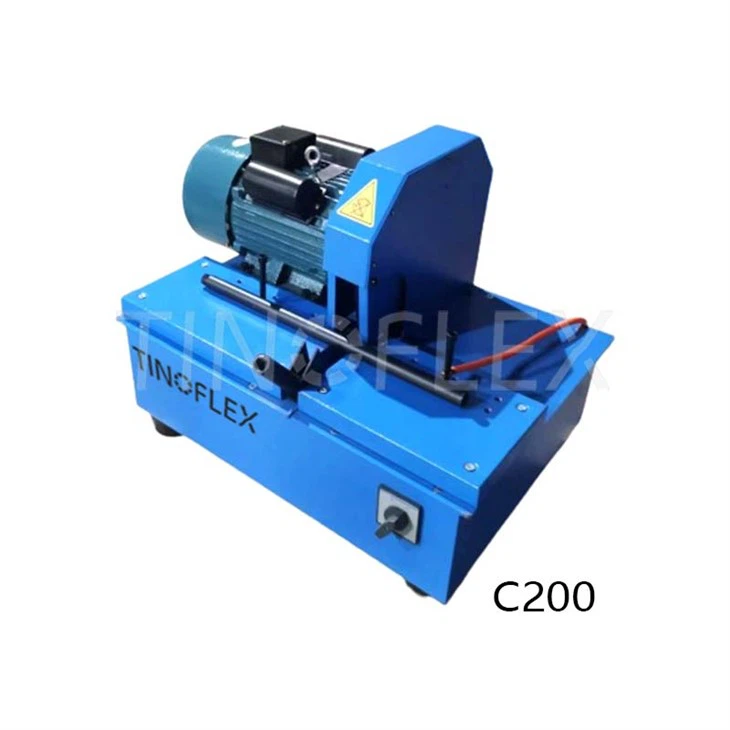
When selecting a blade for a particular cutting machine, it is important to consider the machine's specifications and requirements. For example, a Hydraulic Hose Cutting Machine may require a specific type of blade with a certain diameter and thickness to ensure proper operation. Manufacturers usually provide guidelines on the compatible blades for their machines, and it is essential to follow these guidelines to achieve optimal performance.
Versatility
In some industrial settings, a single cutting machine may be used to cut a variety of materials. A good - quality cutting machine blade should have a certain degree of versatility to handle different types of materials. This can save time and money by reducing the need for multiple blades.
However, achieving versatility without sacrificing performance can be a challenge. Blades need to be designed in such a way that they can adapt to different material properties, such as hardness, toughness, and thickness. For example, a blade that is suitable for cutting soft plastics may not be effective for cutting metal. Some advanced blade designs incorporate features that allow them to be used on a wider range of materials, such as adjustable tooth profiles or multi - purpose coatings.
Safety
Safety is an important consideration when it comes to cutting machine blades. A good - quality blade should be designed with safety features to minimize the risk of accidents. This includes features such as smooth edges to prevent cuts and abrasions during handling, and proper guards or covers to protect operators from the moving blade.
In addition, the blade should be able to maintain its integrity during operation to prevent breakage or flying debris. This is especially important in high - speed cutting applications. Manufacturers often conduct rigorous testing to ensure that their blades meet safety standards and regulations.
Cost - effectiveness
Cost - effectiveness is a practical consideration for businesses. While high - quality cutting machine blades may have a higher upfront cost, they can offer significant long - term savings. A durable and efficient blade will require less frequent replacement, reducing the overall cost of blade procurement. It also helps to improve the productivity of the cutting process, as fewer blade changes mean less downtime.
When evaluating the cost - effectiveness of a blade, it is important to consider not only the purchase price but also the total cost of ownership, including sharpening, maintenance, and the impact on the cutting machine's performance. A blade that offers a good balance between quality and price is often the most cost - effective choice.
Ease of Maintenance
A good - quality cutting machine blade should be easy to maintain. This includes tasks such as cleaning, sharpening, and replacement. Blades that are difficult to maintain can lead to increased downtime and higher maintenance costs.
The design of the blade can affect its ease of maintenance. For example, blades with a simple and accessible design are easier to clean and sharpen. Some blades are also designed to be quickly and easily replaced, reducing the time required for blade changes. Manufacturers often provide instructions and guidelines on how to properly maintain their blades, and it is important for operators to follow these recommendations.
In conclusion, a good - quality cutting machine blade should possess a combination of sharpness, durability, precision, compatibility, versatility, safety, cost - effectiveness, and ease of maintenance. As a supplier of cutting machine blades, we are committed to providing blades that meet these high standards. If you are in the market for cutting machine blades and are looking for a reliable partner, we invite you to contact us for procurement and further discussions. Our team of experts is ready to assist you in selecting the right blades for your specific cutting needs.
References
- Industrial Cutting Tool Handbook. McGraw - Hill.
- Journal of Manufacturing Science and Engineering. ASME.
- Cutting Tool Engineering Magazine. SME.