

Hey there! As a supplier of Hose Cutting Saws, I often get asked about how to replace the blade of a hose cutting saw. It's a crucial skill for anyone using these machines regularly, whether you're in a professional workshop or just doing some DIY projects at home. In this blog, I'll walk you through the process step by step.
First off, let's talk about why you might need to replace the blade. Over time, the blade of a hose cutting saw can get dull or damaged. A dull blade won't cut through hoses cleanly, which can lead to frayed edges and uneven cuts. And if the blade is damaged, it can be dangerous to use. So, replacing the blade when it's worn out is essential for both the quality of your cuts and your safety.
Before you start replacing the blade, make sure you have the right tools. You'll typically need a wrench or a screwdriver, depending on the type of saw you have. Also, it's a good idea to wear safety gloves to protect your hands from any sharp edges.
Now, let's get into the actual process.
Step 1: Power Off the Saw
This is super important. You don't want the saw to accidentally start while you're working on it. So, turn off the power switch and unplug the saw from the electrical outlet. If it's a battery - powered saw, remove the battery. This simple step can prevent serious injuries.
Step 2: Locate the Blade Guard
The blade guard is there to protect you from the sharp blade during normal operation. On most hose cutting saws, the blade guard is held in place by a few screws or clips. Use your wrench or screwdriver to remove the fasteners and take off the blade guard. Be careful when handling the guard, as it might have sharp edges.
Step 3: Loosen the Blade Fastener
Once the blade guard is off, you'll see the blade and the fastener that holds it in place. This could be a nut, a bolt, or a special locking mechanism. Use your wrench to loosen the fastener. Make sure you turn it in the right direction. Usually, counter - clockwise will loosen it. As you loosen the fastener, hold the blade steady to prevent it from spinning.
Step 4: Remove the Old Blade
After the fastener is loose, you can take out the old blade. Be very careful as the blade is sharp. You might want to use a pair of pliers to grip the blade and pull it out gently. Place the old blade in a safe place, like a toolbox or a container, to avoid any accidental cuts.
Step 5: Select the Right Replacement Blade
It's crucial to choose the right blade for your hose cutting saw. Different saws require different blade sizes and types. You can refer to your saw's user manual to find out the exact specifications. As a Hose Cutting Saw supplier, we offer a wide range of blades that are compatible with various models. You can check out our Hose Cutting Saw page for more information on the available blades.
Step 6: Install the New Blade
Once you have the right replacement blade, carefully insert it into the saw. Make sure it fits snugly and is properly aligned. Then, tighten the fastener using your wrench. Make sure it's tight enough so that the blade doesn't move during operation, but don't over - tighten it as it could damage the blade or the saw.
Step 7: Reattach the Blade Guard
Put the blade guard back in place and secure it with the screws or clips you removed earlier. Make sure it's properly aligned and fastened securely. The blade guard is an important safety feature, so don't skip this step.
Step 8: Test the Saw
Before you start cutting hoses, it's a good idea to test the saw. Plug it in (or insert the battery if it's battery - powered) and turn it on for a few seconds. Listen for any strange noises or vibrations. If everything seems okay, you're ready to start using your saw with the new blade.
Now, let's talk a bit about the different types of hose cutting saws and their blade replacement processes.
There are hydraulic hose cutting machines and rubber hose cutting machines. Each type has its own unique features and requirements.
Hydraulic Hose Cutting Machine: These machines are often used in industrial settings to cut thick and tough hydraulic hoses. The blade replacement process is similar to what I described above, but the blades might be larger and more heavy - duty. If you're using a hydraulic hose cutting machine, you can find more details about our Hydraulic Hose Cutting Machine on our website.
Rubber Hose Cutting Machine: Rubber hoses are more flexible than hydraulic hoses, and the cutting process might be a bit different. The blades for rubber hose cutting machines are designed to make clean cuts through the rubber material. You can learn more about our Rubber Hose Cutting Machine and the available blades on our site.
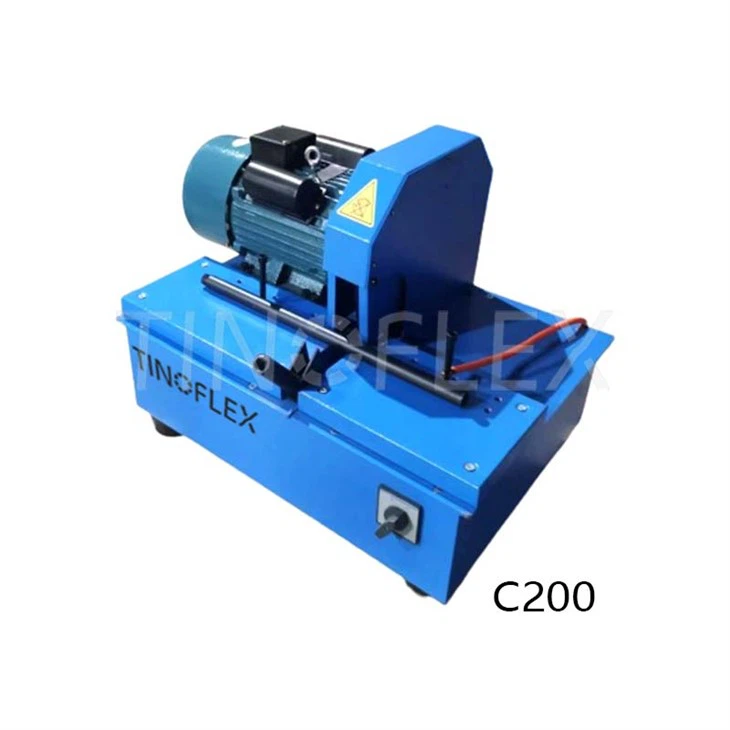

In conclusion, replacing the blade of a hose cutting saw is not a difficult task if you follow the right steps. It's an important maintenance procedure that can keep your saw working efficiently and safely. If you have any questions or need more information about our hose cutting saws or replacement blades, don't hesitate to contact us. We're here to help you with all your hose cutting needs. Whether you're a professional looking for high - quality equipment or a DIY enthusiast, we've got you covered. So, get in touch and let's start a conversation about how we can meet your requirements.
References
- Manufacturer's user manuals for hose cutting saws
- Industry best practices for blade replacement in cutting equipment