Preventing over - crimping is crucial when using a hydraulic hose crimper, not only for ensuring the quality and safety of hydraulic hose assemblies but also for maximizing the lifespan of the equipment and hoses. As a trusted supplier of hydraulic hose crimpers, I've witnessed firsthand the challenges that customers face with over - crimping and have gathered a wealth of knowledge on how to avoid it.
Understanding the Consequences of Over - Crimping
Over - crimping occurs when the hydraulic hose crimper compresses the hose fitting too tightly onto the hose. This can lead to a variety of problems. Firstly, it can damage the hose itself. The excessive pressure can cause the inner tube of the hose to collapse or crack, which may lead to fluid leaks. A leaky hydraulic system is not only inefficient but it can also pose safety risks, especially in high - pressure applications.
Secondly, over - crimping can reduce the flexibility of the hose. In a hydraulic system, hoses often need to bend and flex to accommodate the movement of various components. When a hose is over - crimped, it becomes stiffer, which can lead to premature failure due to stress concentration at the crimped area.
Finally, over - crimped fittings may not be able to withstand the intended pressure. The fitting may break or loosen under pressure, causing the entire hydraulic system to malfunction. This can result in costly downtime and repairs for industrial equipment.
Selecting the Right Hydraulic Hose Crimper
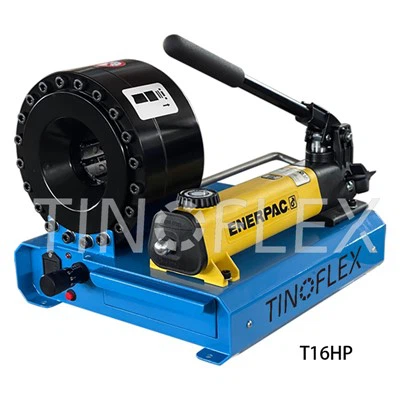
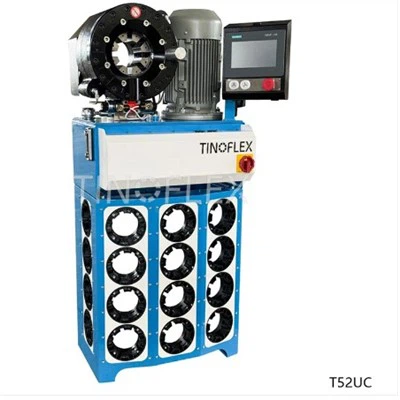
The first step in preventing over - crimping is to choose the appropriate hydraulic hose crimper for your application. Different hoses and fittings require different levels of crimp force. As a supplier, we offer a wide range of hydraulic hose crimpers, including the High Pressure Hose Crimping Machine, Nut Crimping Machine, and Manual Crimping Machine.
When selecting a crimper, consider the size and type of hoses and fittings you will be working with. The crimper should have the capacity to handle the maximum diameter and wall thickness of your hoses. Additionally, check the crimp force range of the crimper. A crimper with adjustable crimp force allows you to fine - tune the pressure according to the specific requirements of each hose and fitting combination.
Calibrating the Hydraulic Hose Crimper Regularly
Calibration is essential for the accurate operation of a hydraulic hose crimper. Over time, the components of the crimper may wear out, which can affect the crimping force and accuracy. Regular calibration ensures that the crimper is applying the correct amount of pressure to the hose and fitting.
We recommend calibrating your hydraulic hose crimper at least once a year or more frequently if it is used in high - volume production environments. Calibration should be performed by a qualified technician using specialized calibration equipment. During the calibration process, the technician will measure the crimp force and adjust the crimper settings if necessary to ensure that it is within the specified tolerance range.
Using the Right Dies
The dies of a hydraulic hose crimper play a critical role in the crimping process. Dies are designed to match the specific size and shape of the hose fittings. Using the wrong dies can result in over - crimping or under - crimping.
When choosing dies, make sure they are compatible with the hose and fitting you are using. The dies should be in good condition, free from any damage or wear. Inspect the dies regularly for signs of wear, such as cracks or excessive abrasion. If the dies are worn, replace them immediately to ensure consistent and accurate crimping.
Following the Manufacturer's Instructions
Each hydraulic hose crimper comes with a set of manufacturer's instructions. These instructions provide important information on how to operate the crimper safely and effectively. It is crucial to follow these instructions carefully to prevent over - crimping.
The instructions will typically include details on the correct crimping procedure, such as the proper alignment of the hose and fitting, the recommended crimping pressure, and the duration of the crimping cycle. Make sure all operators are trained on the proper use of the hydraulic hose crimper and are familiar with the manufacturer's instructions.
Conducting Pre - crimp Inspections
Before crimping a hose and fitting, it is important to conduct a pre - crimp inspection. Inspect the hose for any damage, such as cuts, abrasions, or kinks. A damaged hose may not be suitable for crimping and should be replaced.
Also, inspect the fitting for any defects or irregularities. The fitting should be clean and free from debris. Check the dimensions of the fitting to ensure that it matches the hose and the dies of the crimper. A pre - crimp inspection can help identify any potential issues that may lead to over - crimping and allow you to take corrective action before starting the crimping process.
Monitoring the Crimping Process
During the crimping process, it is important to monitor the operation of the hydraulic hose crimper. Pay attention to the crimping pressure gauge. If the pressure exceeds the recommended range, it may indicate over - crimping. Stop the crimping process immediately and check the settings of the crimper.
Some modern hydraulic hose crimpers are equipped with sensors and monitoring systems that can detect abnormal crimping conditions. These systems can provide real - time feedback on the crimping process and alert operators if there is a potential problem.
Performing Post - crimp Quality Checks
After crimping, perform a post - crimp quality check on the hose assembly. One of the simplest ways to check for over - crimping is to visually inspect the assembled hose. The crimped area should have a uniform appearance, without any signs of excessive deformation or damage to the hose or fitting.
You can also perform a pressure test on the hose assembly. Apply a pressure that is within the rated pressure of the hose and fitting combination and check for any leaks. If there are leaks, it may be a sign of over - crimping or other crimping issues.
Training and Education
Proper training and education are key to preventing over - crimping. As a supplier, we offer training programs for our customers on the use and maintenance of hydraulic hose crimpers. These programs cover topics such as the principles of crimping, the selection of the right equipment and dies, calibration procedures, and quality control measures.
By providing comprehensive training, we ensure that our customers' operators have the knowledge and skills necessary to operate the hydraulic hose crimpers safely and effectively, reducing the risk of over - crimping and other crimping - related problems.


Conclusion
Preventing over - crimping with a hydraulic hose crimper requires a combination of proper equipment selection, regular calibration, the use of the right dies, following manufacturer's instructions, conducting inspections, monitoring the process, and performing quality checks. As a supplier of hydraulic hose crimpers, we are committed to providing our customers with high - quality equipment and the support they need to ensure successful crimping operations.
If you are interested in learning more about our hydraulic hose crimpers or need assistance with preventing over - crimping in your operations, we encourage you to contact us for a detailed discussion. Our team of experts is ready to help you select the right equipment and provide you with the guidance you need for optimal crimping results.
References
- "Hydraulic Hose Assembly: A Comprehensive Guide", Industry Publications
- Manufacturer's manuals for hydraulic hose crimpers