

As a toothed blades supplier, I've seen firsthand how crucial it is to ensure the accuracy of cuts when using these blades. Whether you're in the manufacturing industry, working on a DIY project, or involved in any field that requires precision cutting, getting that perfect cut is essential. In this blog, I'll share some tips and tricks on how to ensure the accuracy of a cut with toothed blades.
Understanding Your Toothed Blades
First things first, you need to understand the type of toothed blades you're using. Different blades are designed for different materials and cutting tasks. For example, a blade with fine teeth is great for cutting thin materials like plastic or softwood, while a blade with coarse teeth is better suited for cutting thick materials like hardwood or metal.
Make sure you choose the right blade for the job. Using the wrong blade can lead to inaccurate cuts, damage to the material, and even wear out the blade faster. If you're not sure which blade to use, consult the manufacturer's guidelines or ask a professional.
Preparing the Material
Before you start cutting, it's important to prepare the material properly. This includes measuring and marking the area where you want to make the cut. Use a measuring tape or ruler to get accurate measurements, and a pencil or marker to mark the cutting line.

If you're cutting a large piece of material, it's a good idea to secure it in place. You can use clamps or a vice to hold the material steady, which will help prevent it from moving during the cutting process. This is especially important when using a power tool, as any movement can cause the blade to veer off course and result in an inaccurate cut.
Setting Up the Cutting Machine
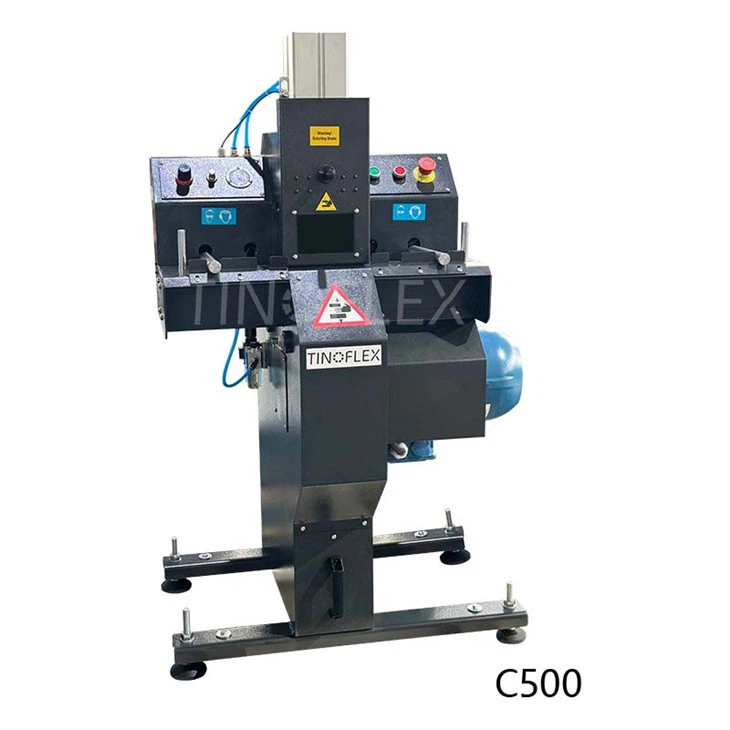
If you're using a cutting machine, such as a Hydraulic Hose Cutting Machine, it's crucial to set it up correctly. Follow the manufacturer's instructions for installing the blade and adjusting the settings. Make sure the blade is properly aligned and tightened to prevent it from wobbling during the cutting process.
Check the cutting speed and feed rate of the machine. These settings can affect the accuracy of the cut. If the cutting speed is too fast, the blade may not have enough time to make a clean cut, resulting in a rough edge. On the other hand, if the feed rate is too slow, it can cause the blade to overheat and wear out faster.
Using the Right Technique
When using toothed blades, it's important to use the right technique. Here are some tips to help you make accurate cuts:
- Start slowly: Begin the cutting process at a slow speed to ensure the blade is properly engaged with the material. This will help prevent the blade from skipping or jumping, which can lead to an inaccurate cut.
- Apply even pressure: Apply a steady and even pressure on the material as you cut. Avoid pushing too hard or too fast, as this can cause the blade to bind or break.
- Follow the cutting line: Keep the blade aligned with the marked cutting line. Use a guide or a fence to help you stay on track. If you're using a handheld power tool, make sure you have a firm grip and control the tool's movement.
- Let the blade do the work: Don't force the blade through the material. Let the blade's teeth do the cutting. If you try to push the blade too hard, it can cause the blade to overheat and wear out faster.
Maintaining Your Toothed Blades
Proper maintenance of your toothed blades is essential for ensuring accurate cuts. Here are some tips to help you keep your blades in good condition:
- Clean the blade regularly: After each use, clean the blade to remove any debris or residue. You can use a brush or a cloth to wipe the blade clean.
- Sharpen the blade: Over time, the blade's teeth will become dull, which can affect the accuracy of the cut. Sharpen the blade regularly to keep it in good condition. You can use a sharpening stone or a blade sharpener to sharpen the blade.
- Store the blade properly: When not in use, store the blade in a dry and safe place. Avoid storing the blade in a damp or humid environment, as this can cause the blade to rust.
Using the Right Accessories
Using the right accessories can also help you ensure the accuracy of a cut with toothed blades. For example, a Cutting Machine Blades with a special coating can help reduce friction and improve the cutting performance. A blade guard can also help protect you from injury and prevent the blade from coming into contact with other objects.
If you're using a Hose Cutting Saw, make sure you use the right type of blade for the hose material. Different hoses require different types of blades, so make sure you choose the right one.
Troubleshooting
Even with the best preparation and technique, you may still encounter some problems when using toothed blades. Here are some common problems and solutions:
- Blade binding: If the blade binds or gets stuck in the material, stop the cutting process immediately. Check the blade for any debris or damage, and make sure it's properly aligned. You may need to adjust the cutting speed or feed rate.
- Rough edges: If the cut has rough edges, it may be due to a dull blade or incorrect cutting technique. Sharpen the blade or adjust your technique to improve the quality of the cut.
- Inaccurate cuts: If the cut is inaccurate, it may be due to a misaligned blade or incorrect measurements. Check the blade alignment and make sure you're following the cutting line. You may need to re-measure and mark the material.
Conclusion
Ensuring the accuracy of a cut with toothed blades requires a combination of the right tools, proper preparation, and the right technique. By understanding your toothed blades, preparing the material, setting up the cutting machine correctly, using the right technique, maintaining your blades, using the right accessories, and troubleshooting any problems, you can achieve accurate and precise cuts every time.
If you're in the market for high-quality toothed blades, we're here to help. As a trusted toothed blades supplier, we offer a wide range of blades for various applications. Contact us today to discuss your requirements and let's start a conversation about how we can meet your cutting needs.
References
- Manufacturer's guidelines for toothed blades
- Industry best practices for cutting with toothed blades