How often should I use a hose clean tool? This is a question that many customers often ask me as a supplier of Hose Clean Tool. The frequency of using a hose clean tool depends on several factors, and in this blog, I'll break down these elements to help you determine the ideal usage schedule for your specific situation.
Factors Affecting the Usage Frequency of Hose Clean Tools
1. Hose Type
Different types of hoses have different requirements for cleaning. For example, hoses used in the food and beverage industry need to be cleaned more frequently than those in general industrial applications. Food-grade hoses come into direct contact with consumable products, so any contamination can pose a significant health risk. In such cases, it is recommended to use a Hose Clean Tool after each use or at least once a day to ensure the hoses are free from food residues and bacteria.
On the other hand, hoses used in industrial settings like construction or mining, which carry substances such as water, oil, or gravel, may not need to be cleaned as often. However, if the hose is used to transfer viscous or sticky materials, more frequent cleaning will be necessary to prevent blockages. A general rule of thumb for these industrial hoses is to clean them at least once a week or after a certain number of hours of operation, depending on the nature of the transferred material.
2. Operating Environment
The environment in which the hoses are used plays a crucial role in determining the cleaning frequency. Hoses used in dirty or dusty environments are more likely to accumulate debris and contaminants. For instance, hoses used in a construction site where there is a lot of dust and dirt will require more frequent cleaning compared to those used in a clean indoor factory.
In outdoor environments, hoses are also exposed to weather conditions such as rain, snow, and sunlight. Moisture can cause rust and corrosion inside the hoses, while sunlight can degrade the hose material over time. In such cases, it is advisable to use a Hose Clean Tool more frequently, perhaps every few days or weekly, to remove any accumulated dirt and prevent damage to the hoses.
3. Frequency of Use
The more frequently a hose is used, the more often it needs to be cleaned. If a hose is in continuous operation, it is likely to accumulate more contaminants and debris. For example, a hose used in a manufacturing process that runs 24/7 will need to be cleaned more often than a hose used occasionally for small tasks.
In high - usage scenarios, it may be necessary to clean the hose multiple times a day. Regular cleaning not only maintains the performance of the hose but also extends its lifespan. On the contrary, hoses that are used sparingly can be cleaned less frequently, maybe once a month or even less, depending on the other factors mentioned above.
Recommended Cleaning Schedules Based on Different Scenarios
1. Food and Beverage Industry
As mentioned earlier, hoses in the food and beverage industry require the highest level of cleanliness. After each use, the hoses should be flushed with clean water to remove any remaining product. At the end of each day, a more thorough cleaning using a Hose Clean Tool is recommended. This includes using appropriate cleaning agents to sanitize the hoses and ensure they are free from bacteria and other harmful substances.
2. General Industrial Use
For hoses used in general industrial applications such as transferring water, oil, or air, a weekly cleaning schedule is usually sufficient. However, if the hoses are used to transfer substances that are prone to causing blockages or corrosion, more frequent cleaning may be required. For example, hoses used to transfer chemicals may need to be cleaned after each use to prevent chemical reactions that could damage the hose.
3. Construction and Mining
In construction and mining, hoses are often exposed to harsh conditions. A good practice is to clean the hoses at least once a week. However, if the hoses are used in particularly dirty or dusty areas, or if they are used to transfer abrasive materials, daily or bi - daily cleaning may be necessary to prevent blockages and extend the hose's lifespan.
Benefits of Regularly Using a Hose Clean Tool
1. Extended Hose Lifespan
Regular cleaning helps to remove contaminants that can cause wear and tear on the hose. By preventing the buildup of dirt, debris, and corrosive substances, the hose is less likely to develop leaks, cracks, or other forms of damage. This, in turn, extends the lifespan of the hose, saving you money on replacement costs in the long run.
2. Improved Performance
A clean hose ensures better flow and pressure. When a hose is clogged with debris, it restricts the flow of the transferred material, reducing the efficiency of the system. By using a Hose Clean Tool regularly, you can maintain optimal performance and ensure that your operations run smoothly.
3. Safety
In some industries, such as the food and beverage and chemical industries, a dirty hose can pose a safety risk. Contaminated hoses can lead to product contamination, which can have serious consequences for consumers. Regular cleaning using a reliable Hose Clean Tool helps to ensure the safety of your products and operations.


Our Hose Clean Tool Solution
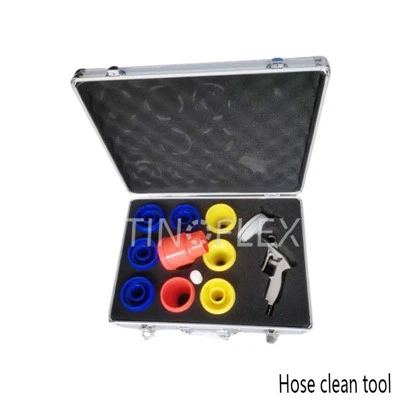
At our company, we offer a wide range of Hose Clean Tools that are designed to meet the diverse needs of different industries. Our tools are easy to use, efficient, and can effectively clean hoses of various sizes and types.
We also provide Hose Cleanning Machines for more large - scale and automated cleaning operations. These machines are equipped with advanced technology to ensure thorough and consistent cleaning results.
If you are looking for a reliable solution for hose cleaning, we are here to help. Whether you need advice on the appropriate cleaning frequency for your hoses or are interested in purchasing our high - quality Hose Clean Tools and Hose Cleanning Machines, please feel free to contact us. We are committed to providing you with the best products and services to meet your hose cleaning needs.
References
- Industry standards and guidelines for hose maintenance in different sectors.
- Manufacturer's recommendations for hose cleaning based on hose type and material.
- Research studies on the impact of hose cleanliness on performance and lifespan.