

How does a hose cutting saw work?
As a supplier of Hose Cutting Saws, I am often asked about how these machines operate. In this blog, I will provide a detailed explanation of the working principles of a hose cutting saw, its components, and the benefits it offers.
The Basics of a Hose Cutting Saw
A hose cutting saw is a specialized tool designed to cut various types of hoses, including hydraulic hoses, rubber hoses, and plastic hoses. It is commonly used in industries such as automotive, manufacturing, and construction, where precise and efficient hose cutting is required.
The primary function of a hose cutting saw is to make clean and accurate cuts through the hose material. This is achieved by using a sharp blade that rotates at high speed. The blade is typically made of high-quality steel or carbide, which ensures durability and long-lasting performance.
Components of a Hose Cutting Saw
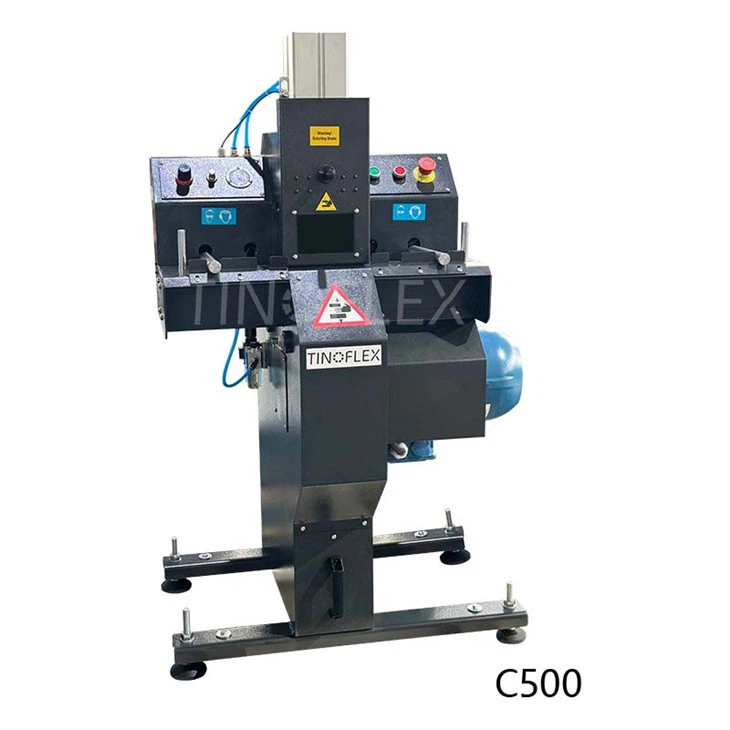
A typical hose cutting saw consists of the following components:
- Blade: The blade is the most important part of the hose cutting saw. It is responsible for making the actual cut through the hose material. The blade can be either a toothed blade or a circular blade, depending on the type of hose and the cutting requirements. Toothed Blades are commonly used for cutting soft and flexible hoses, while circular blades are more suitable for cutting hard and rigid hoses.
- Motor: The motor is the power source of the hose cutting saw. It provides the necessary energy to rotate the blade at high speed. The motor can be either an electric motor or a hydraulic motor, depending on the type of saw and the application.
- Frame: The frame is the structure that holds all the components of the hose cutting saw together. It provides stability and support during the cutting process. The frame is typically made of steel or aluminum, which ensures durability and strength.
- Feed Mechanism: The feed mechanism is responsible for feeding the hose into the cutting area. It can be either manual or automatic, depending on the type of saw and the application. Manual feed mechanisms require the operator to manually push the hose into the cutting area, while automatic feed mechanisms use a conveyor belt or a feed roller to feed the hose automatically.
- Control Panel: The control panel is used to operate the hose cutting saw. It allows the operator to control the speed of the blade, the feed rate of the hose, and other parameters. The control panel can be either a simple on/off switch or a more advanced touch screen interface, depending on the type of saw and the application.
Working Principles of a Hose Cutting Saw
The working principles of a hose cutting saw are relatively simple. When the operator turns on the saw, the motor starts to rotate the blade at high speed. The operator then feeds the hose into the cutting area using the feed mechanism. As the hose comes into contact with the rotating blade, the blade cuts through the hose material, making a clean and accurate cut.

The speed of the blade and the feed rate of the hose are important factors that affect the quality of the cut. If the blade speed is too high, the hose may be damaged or melted. If the feed rate is too slow, the cutting process may take longer and the blade may become dull. Therefore, it is important to adjust the blade speed and the feed rate according to the type of hose and the cutting requirements.
Benefits of Using a Hose Cutting Saw
There are several benefits of using a hose cutting saw, including:
- Precision: A hose cutting saw can make clean and accurate cuts through the hose material, ensuring a high level of precision. This is important in industries where precise hose cutting is required, such as automotive and manufacturing.
- Efficiency: A hose cutting saw can cut through the hose material quickly and efficiently, saving time and labor. This is especially important in industries where large quantities of hoses need to be cut.
- Safety: A hose cutting saw is designed to be safe to use. It is equipped with safety features such as guards and emergency stop buttons, which help to prevent accidents and injuries.
- Versatility: A hose cutting saw can be used to cut a variety of hoses, including hydraulic hoses, rubber hoses, and plastic hoses. This makes it a versatile tool that can be used in a wide range of applications.
Applications of a Hose Cutting Saw
A hose cutting saw is commonly used in the following applications:
- Automotive Industry: In the automotive industry, a hose cutting saw is used to cut hoses for various applications, such as fuel lines, coolant lines, and brake lines.
- Manufacturing Industry: In the manufacturing industry, a hose cutting saw is used to cut hoses for various applications, such as hydraulic systems, pneumatic systems, and conveyor systems.
- Construction Industry: In the construction industry, a hose cutting saw is used to cut hoses for various applications, such as water lines, gas lines, and sewer lines.
- Marine Industry: In the marine industry, a hose cutting saw is used to cut hoses for various applications, such as fuel lines, coolant lines, and bilge pumps.
Conclusion
In conclusion, a hose cutting saw is a specialized tool that is designed to cut various types of hoses quickly and efficiently. It consists of several components, including a blade, a motor, a frame, a feed mechanism, and a control panel. The working principles of a hose cutting saw are relatively simple, and it offers several benefits, including precision, efficiency, safety, and versatility. If you are in the market for a hose cutting saw, I encourage you to explore our range of Hose Cutting Saws. We also offer Hydraulic Hose Cutting Machines for more heavy - duty applications.
If you have any questions about our products or would like to discuss a potential purchase, please feel free to reach out to us. We are here to assist you in finding the right solution for your hose - cutting needs.
References
- Industry standards for hose cutting equipment.
- Technical manuals of various hose cutting saw models.