

As a supplier of Cutting Machine Blades, I understand the importance of maintaining sharp blades for optimal performance. A dull blade can lead to inefficient cutting, increased wear and tear on the machine, and even safety hazards. In this blog, I'll share some effective methods to sharpen a dull cutting machine blade at home.
Understanding the Blade
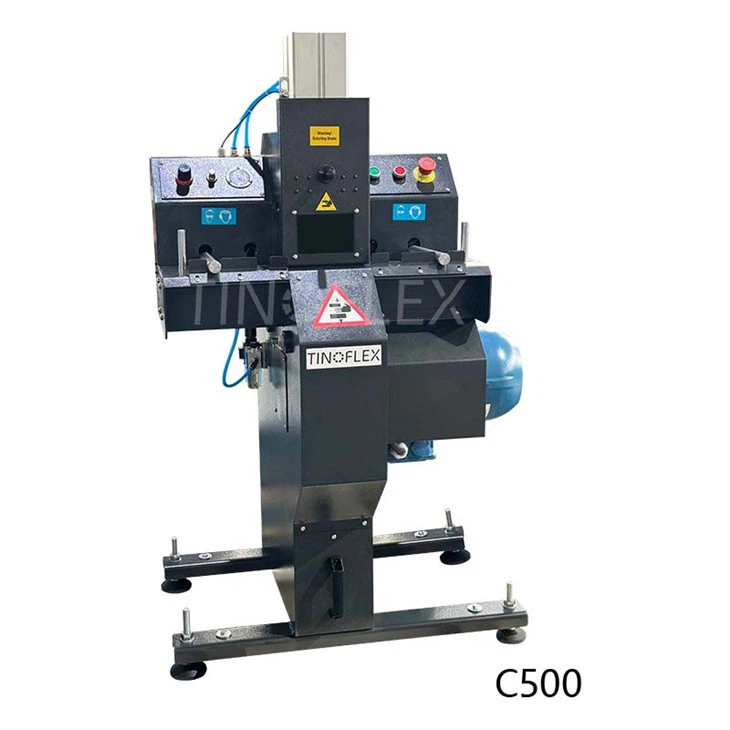
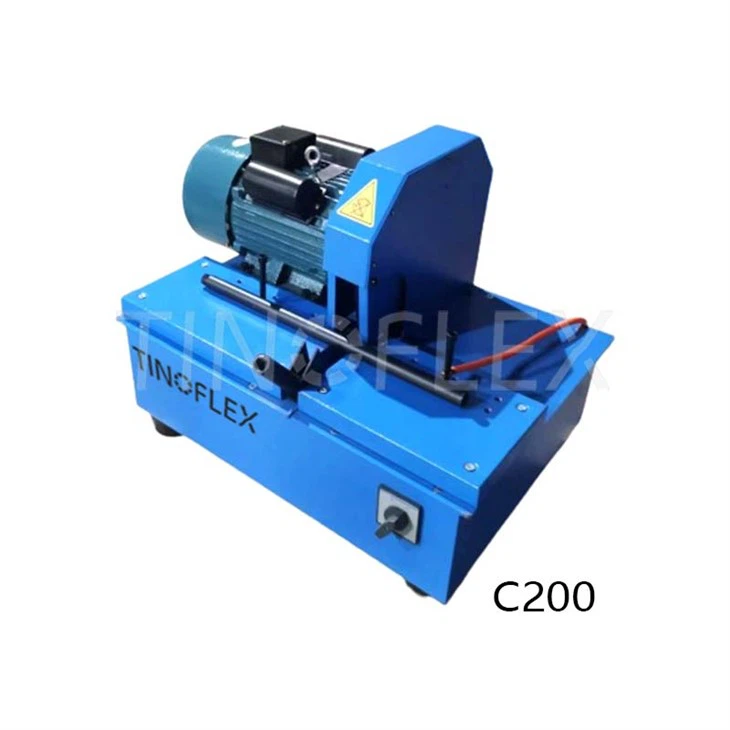
Before you start sharpening, it's crucial to understand the type of blade you're dealing with. Different cutting machines use various blade designs, such as Toothed Blades. These blades are commonly used in machines like Hydraulic Hose Cutting Machine and Hose Cutting Saw. The tooth geometry, blade material, and the specific application of the machine all play a role in determining the best sharpening approach.
Safety First
Sharpening a blade can be dangerous, so it's essential to take proper safety precautions. Wear protective gloves to prevent cuts, and safety glasses to protect your eyes from flying debris. Make sure the cutting machine is turned off and unplugged before you start working on the blade.
Tools You'll Need
- Sharpening Stone: A good quality sharpening stone is essential for sharpening blades. You can choose between a coarse and a fine stone, depending on the level of dullness of the blade.
- Lubricant: Use a lubricant such as oil or water to keep the blade cool and prevent it from overheating during the sharpening process.
- Clamp: A clamp can be used to hold the blade securely in place while you're sharpening it.
- Brush: A small brush can be used to clean the blade and remove any debris or metal shavings.
Step-by-Step Sharpening Process
- Inspect the Blade: Before you start sharpening, carefully inspect the blade for any signs of damage or excessive wear. If the blade is severely damaged, it may need to be replaced rather than sharpened.
- Clean the Blade: Use a brush to clean the blade and remove any dirt, debris, or metal shavings. This will ensure that the sharpening process is more effective.
- Secure the Blade: Use a clamp to hold the blade securely in place. Make sure the blade is positioned at the correct angle for sharpening.
- Apply Lubricant: Apply a small amount of lubricant to the sharpening stone. This will help to reduce friction and prevent the blade from overheating.
- Start Sharpening: Hold the blade at the correct angle and move it across the sharpening stone in a smooth, consistent motion. Use light pressure and make sure to sharpen both sides of the blade evenly.
- Check the Sharpness: After a few passes, check the sharpness of the blade by carefully running your finger along the edge. Be very careful not to cut yourself. If the blade is still dull, continue sharpening.
- Finish with a Fine Stone: Once the blade is sharp, use a fine stone to give it a final polish. This will help to remove any burrs and make the blade even sharper.
- Clean and Dry the Blade: After sharpening, clean the blade again to remove any remaining lubricant and debris. Dry the blade thoroughly to prevent rusting.
Tips for Maintaining Sharp Blades
- Regular Cleaning: Keep the blade clean after each use to prevent the buildup of dirt and debris.
- Proper Storage: Store the blade in a dry, cool place to prevent rusting.
- Avoid Overloading the Machine: Using the cutting machine beyond its capacity can cause the blade to dull more quickly.
- Follow the Manufacturer's Instructions: Always follow the manufacturer's instructions for operating and maintaining the cutting machine and the blade.
When to Replace the Blade
Even with proper sharpening and maintenance, blades will eventually wear out and need to be replaced. Signs that it's time to replace the blade include:
- Excessive Dullness: If the blade is difficult to sharpen or doesn't stay sharp for long, it may be time to replace it.
- Damage: If the blade is cracked, chipped, or has other signs of damage, it should be replaced immediately.
- Inefficient Cutting: If the cutting machine is not cutting as smoothly or efficiently as it used to, the blade may be the problem.
Conclusion
Sharpening a dull cutting machine blade at home is a cost-effective and practical way to keep your cutting machine in top condition. By following the steps outlined in this blog and taking proper safety precautions, you can ensure that your blades stay sharp and perform at their best. If you have any questions or need further assistance with sharpening or blade selection, don't hesitate to contact us. We're here to help you find the right solutions for your cutting needs.
References
- "Blade Sharpening Basics" - [Publication Name]
- "Maintaining Cutting Machine Blades" - [Publication Name]