

Do toothed blades need a specific tension adjustment? This is a question that often arises among professionals and enthusiasts who work with various cutting machines and tools. As a leading supplier of toothed blades, I've encountered this query numerous times. In this blog post, I'll delve into the importance of specific tension adjustment for toothed blades, explore the effects of incorrect tension, and provide insights into how proper adjustment can enhance cutting performance.
The Basics of Toothed Blades
Toothed blades are widely used in industries such as manufacturing, automotive, and construction for cutting various materials, including metal, wood, and plastic. These blades come in different shapes, sizes, and tooth configurations, each designed for specific cutting applications. The teeth of the blade play a crucial role in the cutting process, as they grip and remove material from the workpiece.
Why Tension Adjustment Matters
Proper tension adjustment is essential for the optimal performance of toothed blades. When the tension is too loose, the blade may wander or vibrate during cutting, resulting in inaccurate cuts, uneven surfaces, and premature blade wear. On the other hand, if the tension is too tight, it can cause excessive stress on the blade, leading to fatigue, cracking, and breakage.
Effects of Incorrect Tension
- Inaccurate Cuts: A loose blade is more likely to deviate from the intended cutting path, resulting in cuts that are not straight or to the desired dimensions. This can be particularly problematic in precision cutting applications where tight tolerances are required.
- Uneven Surface Finish: When the blade vibrates due to insufficient tension, it can create a rough and uneven surface finish on the workpiece. This can affect the quality of the final product and may require additional finishing operations.
- Premature Blade Wear: Incorrect tension can cause the teeth of the blade to wear unevenly, reducing the blade's cutting efficiency and lifespan. This can lead to frequent blade replacements, increasing operating costs and downtime.
- Blade Breakage: Excessive tension can put too much stress on the blade, causing it to crack or break during cutting. This not only poses a safety hazard but also results in costly blade replacements and production delays.
Benefits of Proper Tension Adjustment
- Improved Cutting Accuracy: By maintaining the correct tension, the blade will follow the cutting path more precisely, resulting in accurate and consistent cuts. This is especially important in applications where high precision is required, such as in the aerospace and automotive industries.
- Smoother Surface Finish: Proper tension reduces blade vibration, resulting in a smoother surface finish on the workpiece. This can eliminate the need for additional finishing operations, saving time and money.
- Extended Blade Life: When the blade is under the correct tension, the teeth wear more evenly, extending the blade's lifespan. This reduces the frequency of blade replacements, lowering operating costs and improving productivity.
- Enhanced Safety: A properly tensioned blade is less likely to break or come loose during cutting, reducing the risk of accidents and injuries. This is crucial in a workplace environment where safety is a top priority.
How to Adjust Tension
The process of adjusting the tension of a toothed blade may vary depending on the type of cutting machine and blade being used. However, the general steps involved are as follows:
- Refer to the Manufacturer's Instructions: Before attempting to adjust the tension, it's important to consult the manufacturer's guidelines for your specific cutting machine and blade. These instructions will provide detailed information on the correct tension settings and the adjustment procedure.
- Use a Tension Gauge: A tension gauge is a tool used to measure the tension of the blade. It provides an accurate reading of the tension, allowing you to adjust it as needed. Make sure to use a tension gauge that is compatible with your blade and cutting machine.
- Loosen the Blade: If the tension is too tight, you'll need to loosen the blade. This can usually be done by adjusting the tensioning mechanism on the cutting machine. Refer to the manufacturer's instructions for the correct procedure.
- Tighten the Blade: If the tension is too loose, you'll need to tighten the blade. Again, use the tensioning mechanism on the cutting machine to adjust the tension. Make small adjustments and check the tension with the gauge after each adjustment.
- Check the Tension Regularly: It's important to check the tension of the blade regularly, especially after extended use or when changing the blade. This will ensure that the blade is always operating at the optimal tension, maximizing its performance and lifespan.
Applications of Toothed Blades
Toothed blades are used in a wide range of applications, including:
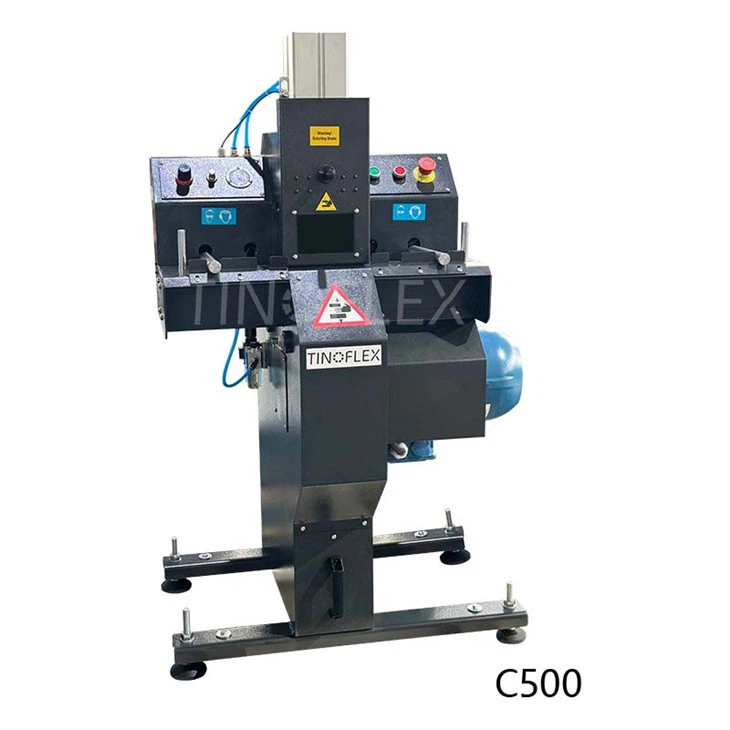
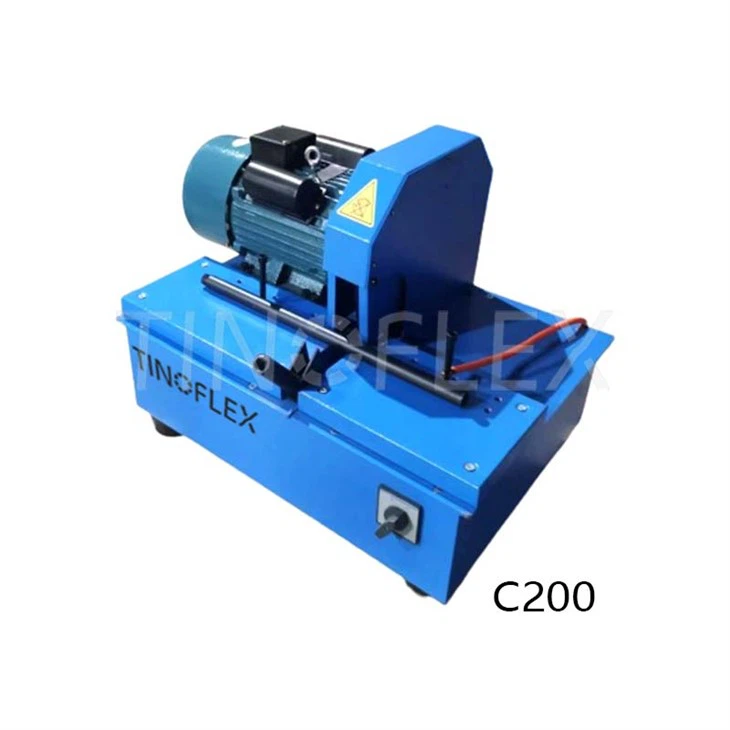
- Hydraulic Hose Cutting: Hydraulic Hose Cutting Machine are designed to cut hydraulic hoses quickly and accurately. Toothed blades are commonly used in these machines due to their ability to grip and cut through tough materials.
- Cutting Machine Blades: Cutting Machine Blades are used in various cutting machines, such as band saws, circular saws, and reciprocating saws. Toothed blades are available in different tooth configurations and sizes to suit different cutting applications.
- Hose Cutting Saw: Hose Cutting Saw are specifically designed for cutting hoses. Toothed blades are used in these saws to provide a clean and precise cut.
Conclusion
In conclusion, toothed blades do require a specific tension adjustment to ensure optimal performance, accuracy, and safety. Incorrect tension can lead to a range of issues, including inaccurate cuts, uneven surface finish, premature blade wear, and blade breakage. By following the manufacturer's instructions and using a tension gauge, you can adjust the tension of your toothed blades to the correct level, maximizing their performance and lifespan.
If you're in the market for high-quality toothed blades or need more information on tension adjustment, please feel free to contact us. Our team of experts is here to assist you with your cutting needs and provide you with the best solutions for your applications.
References
- "Cutting Tool Engineering Handbook"
- "Blade Technology and Applications"
- Manufacturer's manuals for cutting machines and blades