

Hey there! As a toothed blades supplier, I often get this question: Can toothed blades be used for cutting rubber? Well, let's dig into this topic and find out.
First off, let's talk about rubber. Rubber is a pretty unique material. It's elastic, flexible, and comes in various types, like natural rubber and synthetic rubber. Each type has its own set of properties, which can affect how it behaves when being cut. Natural rubber, for example, is known for its high elasticity and resilience. It's used in a lot of products, from tires to rubber bands. Synthetic rubber, on the other hand, can be engineered to have specific properties, like resistance to heat, chemicals, or abrasion.
Now, let's look at toothed blades. Toothed blades are designed with a series of teeth along the cutting edge. These teeth help to grip the material being cut and provide a more efficient cutting action. They come in different shapes, sizes, and tooth configurations, depending on the application. Some toothed blades have large, widely spaced teeth, which are great for cutting through thick or tough materials. Others have small, closely spaced teeth, which are better for making precise cuts.
So, can toothed blades be used for cutting rubber? The answer is yes, but it depends on a few factors.
Factors to Consider
Type of Rubber
As I mentioned earlier, different types of rubber have different properties. Some rubbers are softer and more elastic, while others are harder and more rigid. Softer rubbers can be more challenging to cut with toothed blades because they tend to stretch and deform under the pressure of the blade. This can cause the blade to skip or tear the rubber, resulting in a rough or uneven cut. Harder rubbers, on the other hand, are more likely to be cut cleanly by toothed blades.
Blade Design
The design of the toothed blade is also important. The shape, size, and spacing of the teeth can all affect how well the blade cuts rubber. For example, blades with sharp, pointed teeth are better at piercing the rubber and starting the cut. Blades with a high tooth count are generally better for making smooth, precise cuts. Additionally, the material of the blade can also play a role. Blades made from high-quality materials, like carbide or high-speed steel, are more durable and can maintain their sharpness for longer.
Cutting Conditions
The cutting conditions, such as the speed, pressure, and feed rate, can also impact the performance of the toothed blade. Cutting rubber at too high a speed can cause the blade to overheat, which can dull the teeth and reduce the cutting efficiency. Applying too much pressure can also cause the rubber to deform or tear. It's important to find the right balance between speed, pressure, and feed rate to ensure a clean and efficient cut.
Advantages of Using Toothed Blades for Cutting Rubber
Despite the challenges, there are several advantages to using toothed blades for cutting rubber.

Efficiency
Toothed blades can cut through rubber quickly and efficiently. The teeth on the blade help to grip the rubber and pull it through the cutting process, reducing the amount of time and effort required. This can be especially beneficial when cutting large quantities of rubber or when working with thick or tough rubber materials.
Precision
When used correctly, toothed blades can make precise cuts in rubber. The sharp teeth of the blade can create clean edges and accurate shapes, which is important for applications where precision is key. For example, in the manufacturing of rubber gaskets or seals, a precise cut is essential to ensure a proper fit and function.
Versatility
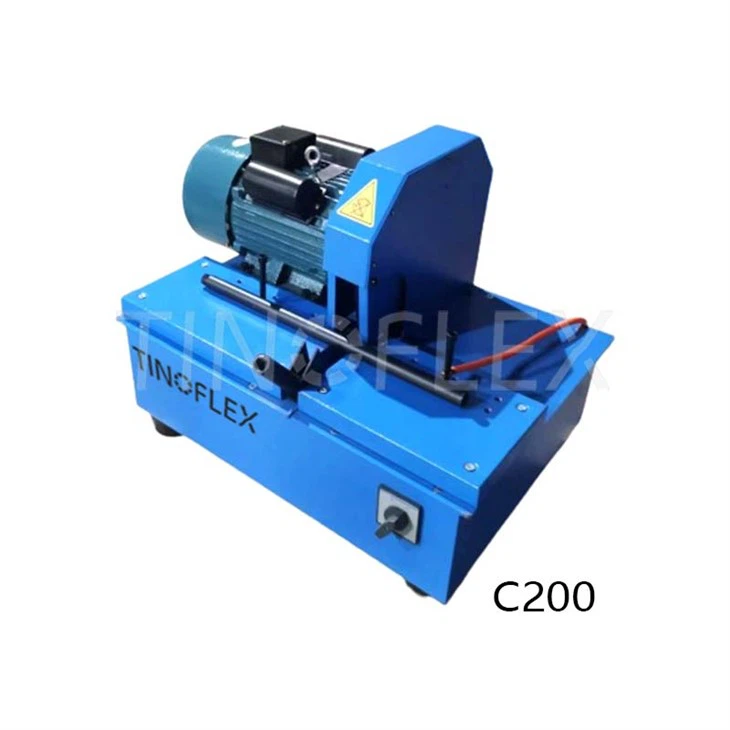
Toothed blades can be used to cut a variety of rubber products, including sheets, tubes, and hoses. They can also be used in different cutting machines, such as Cutting Machine Blades, Hose Cutting Saw, and Rubber Hose Cutting Machine. This makes them a versatile tool for rubber cutting applications.
Tips for Using Toothed Blades to Cut Rubber
If you're planning to use toothed blades to cut rubber, here are some tips to help you get the best results:
- Choose the Right Blade: Select a toothed blade that is specifically designed for cutting rubber. Consider the type of rubber you'll be cutting, the thickness of the rubber, and the desired cutting precision.
- Maintain the Blade: Keep the blade sharp by regularly sharpening or replacing it. A dull blade can cause the rubber to tear or deform, resulting in a poor cut.
- Adjust the Cutting Conditions: Experiment with different cutting speeds, pressures, and feed rates to find the optimal settings for your specific application. Start with a slow speed and low pressure, and gradually increase them as needed.
- Use Lubrication: Applying a lubricant to the blade can help reduce friction and heat, which can improve the cutting performance and extend the life of the blade.
In conclusion, toothed blades can be used for cutting rubber, but it's important to consider the type of rubber, the blade design, and the cutting conditions. By choosing the right blade, maintaining it properly, and adjusting the cutting conditions, you can achieve clean, precise, and efficient cuts in rubber.
If you're in the market for high-quality toothed blades for cutting rubber, I'd love to have a chat with you. Whether you're a small workshop or a large manufacturing facility, I can help you find the right blades for your needs. Just reach out, and we can start discussing your requirements and options.
References
- "Rubber: Properties and Applications" - A comprehensive guide on rubber materials and their uses.
- "Toothed Blade Technology" - An in - depth look at the design and function of toothed blades.
- "Cutting Techniques for Rubber Products" - Research on the best practices for cutting rubber using different tools.
