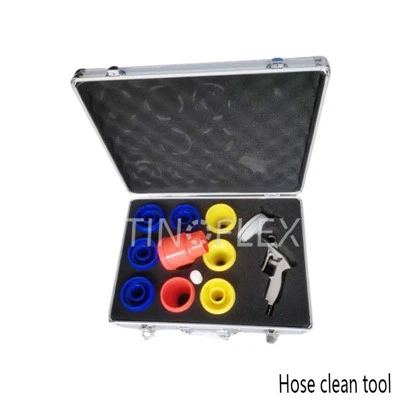
As a supplier of Toothed Blades, I've been frequently asked whether toothed blades can be used for cutting plastics. It's a question that holds significant importance for many industries, especially those involved in plastic manufacturing, processing, and related fields. In this blog, I'll delve into the feasibility, advantages, limitations, and other aspects of using toothed blades for cutting plastics.
Feasibility of Using Toothed Blades for Cutting Plastics
To start with, the answer to whether toothed blades can be used for cutting plastics is a resounding yes. Toothed blades are designed with sharp teeth that can penetrate and cut through various materials, including plastics. The key lies in the design and characteristics of the toothed blades.
The teeth on the blade play a crucial role in the cutting process. They act as multiple cutting edges, which can grip the plastic material and apply pressure to break it apart. When the blade rotates or moves linearly, the teeth dig into the plastic, creating a shearing force that separates the plastic into the desired shape.
However, not all toothed blades are suitable for cutting plastics. Different types of plastics have different properties, such as hardness, flexibility, and melting point. For example, rigid plastics like PVC (Polyvinyl Chloride) and ABS (Acrylonitrile Butadiene Styrene) require a different type of toothed blade compared to soft plastics like polyethylene and polypropylene.
Advantages of Using Toothed Blades for Cutting Plastics
There are several advantages to using toothed blades for cutting plastics. Firstly, toothed blades can provide a clean and precise cut. The sharp teeth can cut through the plastic without causing excessive deformation or tearing. This is particularly important for applications where the cut edges need to be smooth and accurate, such as in the manufacturing of plastic parts for electronic devices or automotive components.
Secondly, toothed blades are relatively efficient in cutting plastics. The multiple cutting edges on the blade allow for a faster cutting speed compared to other cutting methods. This can increase productivity and reduce production time, which is beneficial for large - scale plastic processing operations.
Another advantage is the versatility of toothed blades. They can be used to cut different shapes and sizes of plastic materials. Whether it's a simple straight cut or a complex curved cut, toothed blades can handle the task with relative ease. For instance, in the production of plastic pipes, toothed blades can be used to cut the pipes to the required length accurately.
Limitations of Using Toothed Blades for Cutting Plastics
Despite the many advantages, there are also some limitations to using toothed blades for cutting plastics. One of the main limitations is the potential for melting or burring of the plastic. When the toothed blade cuts through the plastic, friction is generated, which can cause the plastic to heat up. If the heat is not dissipated quickly enough, the plastic may melt, resulting in a rough or uneven cut.
In addition, some plastics may be prone to chipping or cracking when cut with toothed blades. This is especially true for brittle plastics. The force applied by the teeth of the blade can cause the plastic to break apart in an uncontrolled manner, leading to a poor - quality cut.
Moreover, the wear and tear of toothed blades can be a concern when cutting plastics. Some plastics may contain abrasive fillers or additives, which can accelerate the wear of the blade teeth. This means that the blades need to be replaced more frequently, increasing the overall cost of production.
Choosing the Right Toothed Blades for Cutting Plastics
To overcome the limitations and achieve the best results when cutting plastics with toothed blades, it's essential to choose the right type of blade. Here are some factors to consider:
- Tooth Design: The shape, size, and spacing of the teeth on the blade can have a significant impact on the cutting performance. For example, fine - toothed blades are more suitable for cutting thin and soft plastics, while coarse - toothed blades are better for cutting thick and rigid plastics.
- Material of the Blade: The blade material should be hard enough to withstand the wear and tear during the cutting process. High - speed steel (HSS) and carbide are commonly used materials for toothed blades. Carbide blades are generally more durable and can provide a longer service life, especially when cutting abrasive plastics.
- Coating: Some toothed blades are coated with special materials to reduce friction and prevent the plastic from sticking to the blade. Coatings such as titanium nitride (TiN) can improve the cutting efficiency and the quality of the cut.
Applications of Toothed Blades in Plastic Cutting
Toothed blades are widely used in various plastic - cutting applications. In the packaging industry, they are used to cut plastic films and sheets for making packaging materials. For example, a Toothed Blades can be used to cut a large roll of plastic film into smaller pieces for individual product packaging.
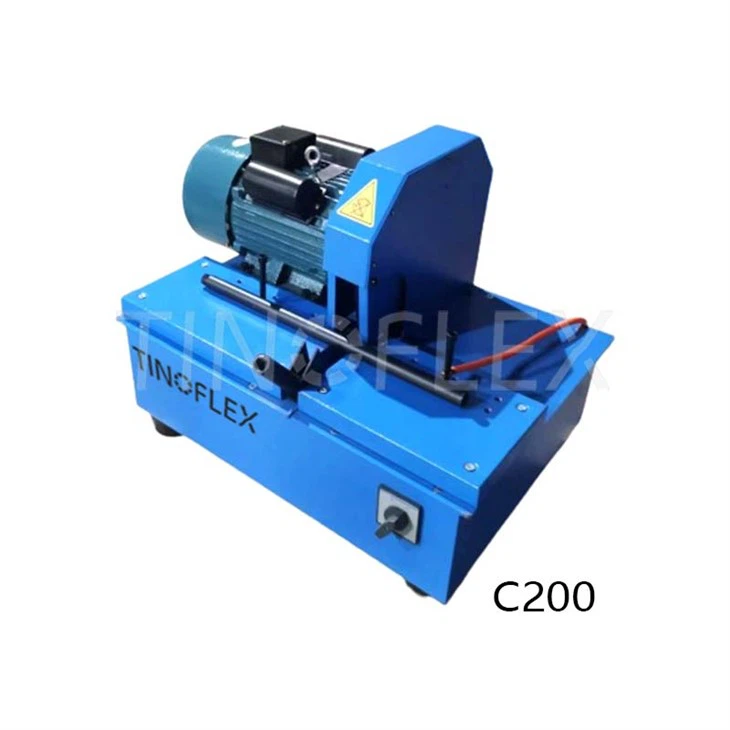
In the manufacturing of plastic pipes and tubes, toothed blades are used to cut the pipes to the desired length. The Hose Cutting Saw equipped with toothed blades can provide a precise and clean cut, ensuring the quality of the pipes.
The Rubber Hose Cutting Machine also often uses toothed blades for cutting rubber - coated plastic hoses. The toothed blades can cut through the multi - layer structure of the hose efficiently, separating it into the required lengths.
Maintenance of Toothed Blades for Plastic Cutting
Proper maintenance of toothed blades is crucial to ensure their long - term performance and durability. After each use, the blades should be cleaned to remove any plastic residues. This can prevent the plastic from hardening on the blade teeth, which can affect the cutting performance.

Regular inspection of the blade teeth is also necessary. If any teeth are damaged or worn, they should be repaired or replaced immediately. Sharpening the blade at the appropriate time can also extend its service life. However, it's important to follow the manufacturer's instructions when sharpening the blade to avoid damaging the blade structure.
Conclusion
In conclusion, toothed blades can indeed be used for cutting plastics, offering many advantages such as clean cuts, efficiency, and versatility. However, it's important to be aware of the limitations and choose the right type of blade for the specific plastic material and application. By considering factors like tooth design, blade material, and coating, and by performing proper maintenance, toothed blades can be a reliable and cost - effective solution for plastic cutting.
If you're in the plastic processing industry and are looking for high - quality toothed blades for your cutting needs, we'd love to have a discussion with you. Our team of experts can provide you with detailed information and guidance on choosing the most suitable toothed blades for your specific requirements. Contact us to start a procurement negotiation and take your plastic cutting operations to the next level.
References
- "Plastic Materials and Their Properties" by John A. Brydson
- "Cutting Tools and Their Applications" by George Boothroyd