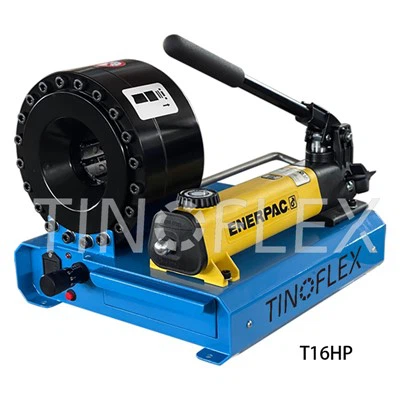
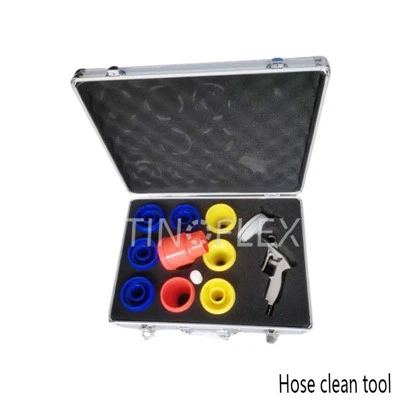
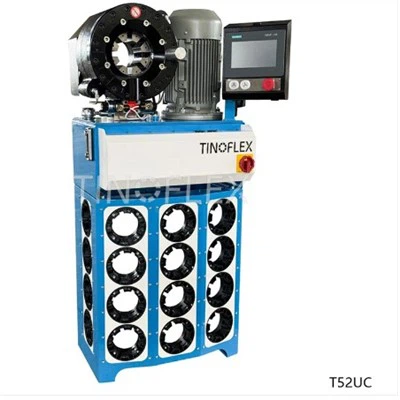
Are there any magnetic cutting machine blades? This is a question that often comes up in the industrial cutting realm. As a cutting machine blades supplier at the forefront of the industry, I've encountered this inquiry numerous times. In this blog, we're going to delve into the topic of magnetic cutting machine blades, exploring their existence, applications, and much more.
The Concept of Magnetic Cutting Machine Blades
Let's start by understanding what magnetic cutting machine blades would theoretically be. Traditional cutting machine blades are used to sever various materials such as metal, wood, plastics, and hoses. These blades rely on their sharp edges and the force applied by the cutting machine to make clean and precise cuts.
Magnetic cutting machine blades, on the other hand, would incorporate magnetic properties into their design. The idea behind this could be two - fold. Firstly, in a cutting environment where there are small metal shavings or debris, magnetic blades could potentially attract and hold these particles. This would help in keeping the cutting area clean and prevent the shavings from causing issues such as clogging the machine or interfering with the cut quality. Secondly, in some magnetic materials, a magnetic blade might offer better adhesion to the material being cut, potentially improving the cutting accuracy.
Do Magnetic Cutting Machine Blades Exist?
As of the current state of the industry, magnetic cutting machine blades are not a common sight. The reason for this lies in the manufacturing challenges and practical limitations.
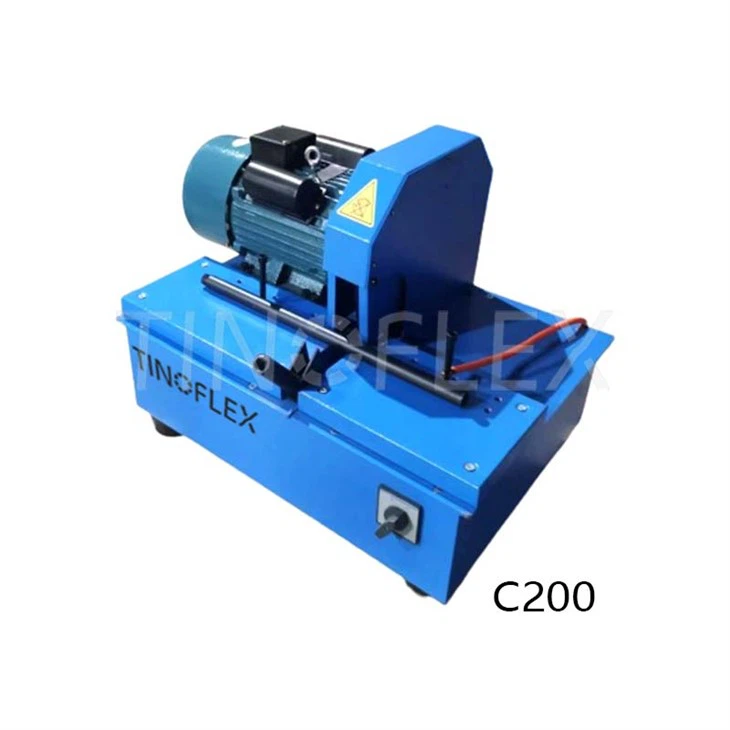
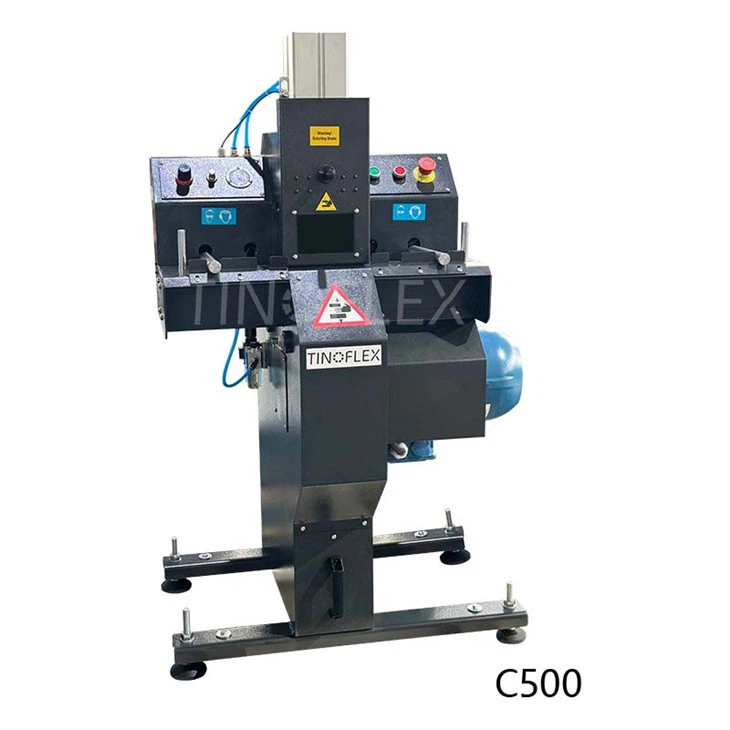
Manufacturing a blade with magnetic properties is complex. The blade needs to maintain its sharpness and durability, which are the primary characteristics of a good cutting blade. Adding magnetic materials to the blade's composition could potentially compromise its hardness and toughness. For example, if a magnetic material is too soft, it could wear out quickly during the cutting process, reducing the blade's lifespan.
However, research and development in the industry are always evolving. There might be some specialized applications where companies or researchers are experimenting with magnetic - enhanced cutting machine blades. But for mass - market and general industrial use, they are yet to become a standard product.
Applications in the Cutting Industry
Even though magnetic cutting machine blades may not be widespread, their potential applications in the cutting industry are quite intriguing.
One area where magnetic blades could be useful is in metal cutting. When cutting metal, a large amount of metal shavings are produced. These shavings can be a nuisance as they can scatter around the workspace, damage the cutting machine, or cause safety hazards. A magnetic cutting blade could attract these shavings as they are produced, keeping the work area clean.
In the hose cutting industry, Rubber Hose Cutting Machine, Hydraulic Hose Cutting Machine, and Hose Cutting Saw often deal with metal - reinforced hoses. During the cutting process, small metal particles from the reinforcement can be released. A magnetic cutting blade could help in collecting these particles, resulting in a cleaner and more precise cut.
Traditional Cutting Machine Blades and Their Advantages
While we explore the possibility of magnetic cutting machine blades, let's not forget the tried - and - tested traditional cutting machine blades. These blades have been the backbone of the cutting industry for decades.
The main advantage of traditional cutting machine blades is their well - established manufacturing process. We have high - precision manufacturing techniques that can produce blades with extremely sharp edges and consistent quality. They are available in a wide range of sizes, shapes, and materials, making them suitable for various cutting applications.
For example, carbide - tipped blades are known for their hardness and long lifespan, making them ideal for cutting hard materials like metal and hardwood. Diamond - coated blades, on the other hand, are excellent for cutting brittle materials such as ceramics and glass.
Future Prospects of Magnetic Cutting Machine Blades
The future of magnetic cutting machine blades is exciting. With advancements in materials science and manufacturing technology, it's possible that we'll see more developments in this area.
New magnetic materials that are harder and more resistant to wear could be developed for use in cutting blades. This would overcome the current limitations of incorporating magnetic properties into blade design.
In addition, industries are constantly looking for ways to improve efficiency and reduce environmental impacts. Magnetic cutting machine blades could play a role in achieving these goals by reducing the need for frequent cleaning and maintenance of cutting machines, and by minimizing the spread of debris in the workspace.
Our Role as a Cutting Machine Blades Supplier
As a cutting machine blades supplier, we are committed to staying at the forefront of industry trends. We keep a close eye on emerging technologies such as magnetic cutting machine blades and are ready to adapt our product offerings if and when these technologies become viable for the market.
We offer a wide range of traditional cutting machine blades that are suitable for different cutting machines and applications. Whether you need blades for a Rubber Hose Cutting Machine, Hydraulic Hose Cutting Machine, or Hose Cutting Saw, we have the expertise and products to meet your needs.
Contact Us for Your Cutting Machine Blade Needs
If you're in the market for high - quality cutting machine blades, we'd love to hear from you. Our team of experts can help you choose the right blades for your specific cutting requirements. Whether you have questions about traditional blades or are interested in learning more about the potential of magnetic cutting machine blades, we're here to assist you. Reach out to us to start a conversation about your cutting machine blade needs and explore how we can provide the best solutions for your business.
References
- "Cutting Tool Engineering Handbook", Industrial Press Inc.
- "Materials Science for Engineers", John Wiley & Sons