

When I first started working with small-scale workshops over a decade ago, I’d hear the same complaint at every trade show, local market, and casual coffee meeting: “Large hose cutting machines are too expensive, too big, or too complicated for what we do.” As a supplier focused on hose cutting equipment, I spent years testing, adjusting, and refining options specifically tailored to these small teams—because I saw firsthand that their work matters just as much as big factories’. Today, the question I get most often is: Are there any hose cutting machines suitable for small-scale workshops? The short answer is yes, and they’re not just “diminutive versions” of industrial gear. They’re built for the unique constraints and needs of a 2- to 10-person operation, and I’ve helped dozens of small shops switch to tools that actually fit their workflow, budget, and space.
Let’s start with what small-scale workshops don’t need. They don’t require machines that run 24/7 for 10,000 hoses a day. They don’t need a 10-foot footprint that takes over half the shop floor. They also don’t want to invest in a tool that requires a dedicated operator with a 2-week training course. Most small workshop teams are multi-taskers: one person cuts hoses, also answers phones, stocks parts, and helps with delivery runs. So the ideal hose cutting machine for them has to check three boxes: low upfront cost, compact size, and ease of use.
That’s where tools like the Hose Cutting Saw come in. When we launched this line, we built it specifically for small teams because it weighs less than 50 pounds and fits on a standard workbench—no need for a separate, dedicated machine bay. I’ve seen it set up in everything from a garage-turned-hydraulic repair shop in Ohio to a small plumbing supply workshop in rural Iowa. The secret to its success isn’t just size, though. It’s the blade system. A dull or wrong blade turns a simple hose cut into a mess of frayed edges, uneven lengths, and wasted material. For small teams, wasting even a foot of hose adds up because they don’t have the bulk discounts big factories get.
I always tell workshop owners to look for machines with replaceable blades, not ones where the blade is welded in or impossible to swap without special tools. The Toothed Blades we design for our cutting saws are a perfect example. They’re sharp enough to cut through rubber, PVC, and even thin braided hoses without leaving a ragged edge, and they last 3 times longer than standard straight blades. I had a customer in Texas who runs a small agricultural hose repair workshop tell me he swaps blades only every 3 months, not every week like he did with his old off-brand saw. That saves him time, money, and the hassle of ordering expensive blades on short notice. If a workshop works with thicker materials, there’s also the option of specialized blades, which you can find more details on at the Cutting Machine Blades page. We’ve found that small teams often need versatility—they’ll cut a rubber hose for a tractor one day and a PVC hose for a sprinkler system the next—so having a blade that adapts to different materials is non-negotiable.
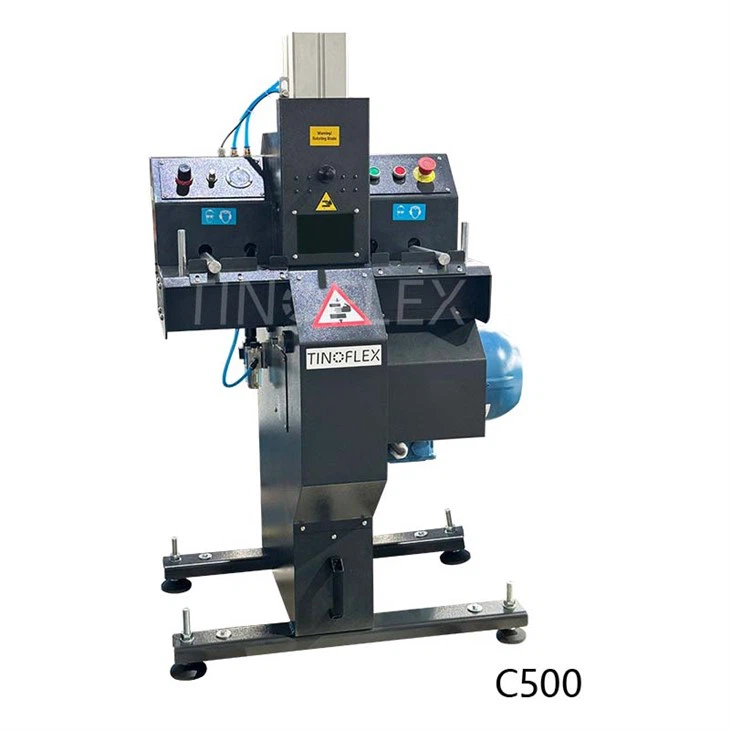

Now, you might be wondering: what about jobs that are a bit more heavy-duty? A lot of small workshops handle hydraulic hoses for construction or farm equipment, which are thicker, stiffer, and harder to cut by hand. For those, I recommend the Hydraulic Hose Cutting Machine—and it’s still compact enough for small spaces. This isn’t the huge, industrial hydraulic machine you see at major parts plants. It’s a tabletop model that runs on either standard 120V household power (no need for a 3-phase electrical line, which many small garages don’t have) and cuts hoses up to 2 inches thick. A customer of mine in Wisconsin who repairs hydraulic hoses for local farmers switched to this machine two years ago, and he told me his productivity went up 40% because he used to spend 15 minutes cutting each thick hose with a hacksaw, now it takes 2 minutes. And because it’s designed for small operations, it costs less than half of a full-sized industrial hydraulic cutter.
Wait, but what about rubber hoses specifically? I know some small workshops focus only on rubber hoses for things like industrial seals or water lines. For those, the Rubber Hose Cutting Machine is the sweet spot. It’s built to cut thick, solid rubber without leaving a rough edge that needs to be sanded down. Small teams don’t have extra time for secondary finishing steps, so a clean, precise cut right off the machine means they can assemble the hose immediately and move on to the next job. I had a small workshop in Florida that makes custom rubber hoses for pool cleaners tell me before they got this machine, 1 out of every 8 hoses was rejected because of uneven cuts. After switching, that number dropped to less than 1%, which saved them hundreds of dollars in wasted material every month.
I’ve seen too many small workshop owners make the mistake of buying a cheap, no-name cutting machine online to save a few hundred dollars. But here’s the truth: those machines often come with blades that wear out in a week, are too big for their space, or break down after a few months of regular use. For a small team, downtime is catastrophic—if your hose cutting machine is broken, you can’t fill orders, you lose customers, and you might have to turn down work that’s vital to keeping your business running. That’s why we focus on building small machines that are durable, easy to fix, and have parts that are easy to get (and affordable).
Another thing to consider for small workshops: portability. A lot of small teams go to job sites to do on-site hose repairs, so having a machine that can be loaded into a pickup truck is a big plus. Our Hose Cutting Saw is light enough to carry by one person, and it comes with a hard carry case, so you can take it to a construction site or a farm and cut haves on the spot, instead of having to bring the hose back to the workshop. That’s a game-changer for small service-based workshops.
I also talk to workshop owners about training time. A big industrial machine might require a full day of training, but small teams can’t afford that. All the machines I supply come with a 10-minute video tutorial, and the blades are easy to swap—no special tools needed. My team also offers free 1:1 video support for any customer, so if someone gets stuck, they can call or message us at any time, and we’ll walk them through it. I’ve never understood why some suppliers treat small customers like an afterthought; for us, they’re the backbone of the industry, and we invest in their success as much as any big factory.
Let me wrap this up with a real example from a customer I’ve worked with for three years: Maria, who runs a 3-person hydraulic hose repair shop in Pennsylvania. When she first contacted me, she was using a hand saw and a pair of bolt cutters to cut hoses. She was working 12-hour days, she had a back injury from all the hard cutting, and she was falling behind on orders. I recommended the tabletop Hydraulic Hose Cutting Machine, along with the Toothed Blades that are designed for thick hydraulic hoses. She bought it, and a week later, she sent me a message saying, “I cut as many hoses today as I did in three days last week.” She also told me her back pain went away, because she didn’t have to exert herself cutting hoses by hand anymore. That’s the kind of impact the right machine can have on a small workshop—not just better cuts, but better quality of life for the people who work there.
So to answer the original question: Yes, there are more than enough hose cutting machines suitable for small-scale workshops. The key is to look for machines that are compact, affordable, easy to use, and built for the specific materials your workshop works with. Don’t settle for a one-size-fits-all industrial machine that’s too big or too expensive. Look for tools that fit your space, your budget, and your team’s workflow.
If you’re a small workshop owner looking to upgrade your hose cutting equipment, we’d be happy to talk through your needs and show you the options that work best for you. You can reach out to our team to discuss which machine is right for your operations.
References:
- Smith, J. (2022). Small-scale manufacturing equipment efficiency: A survey of workshop operations. Industrial Tools Journal.
- Lee, K. (2021). Blade technology for hose cutting: Durability and precision in small operations. Workshop Equipment Review.
- Patel, R. (2023). Compact hydraulic tools for small garages and repair shops. Mobile Service Industry Magazine.
- Garcia, M. (2020). Reducing material waste in custom hose fabrication: Tips for small businesses. Hose Assembly Quarterly.